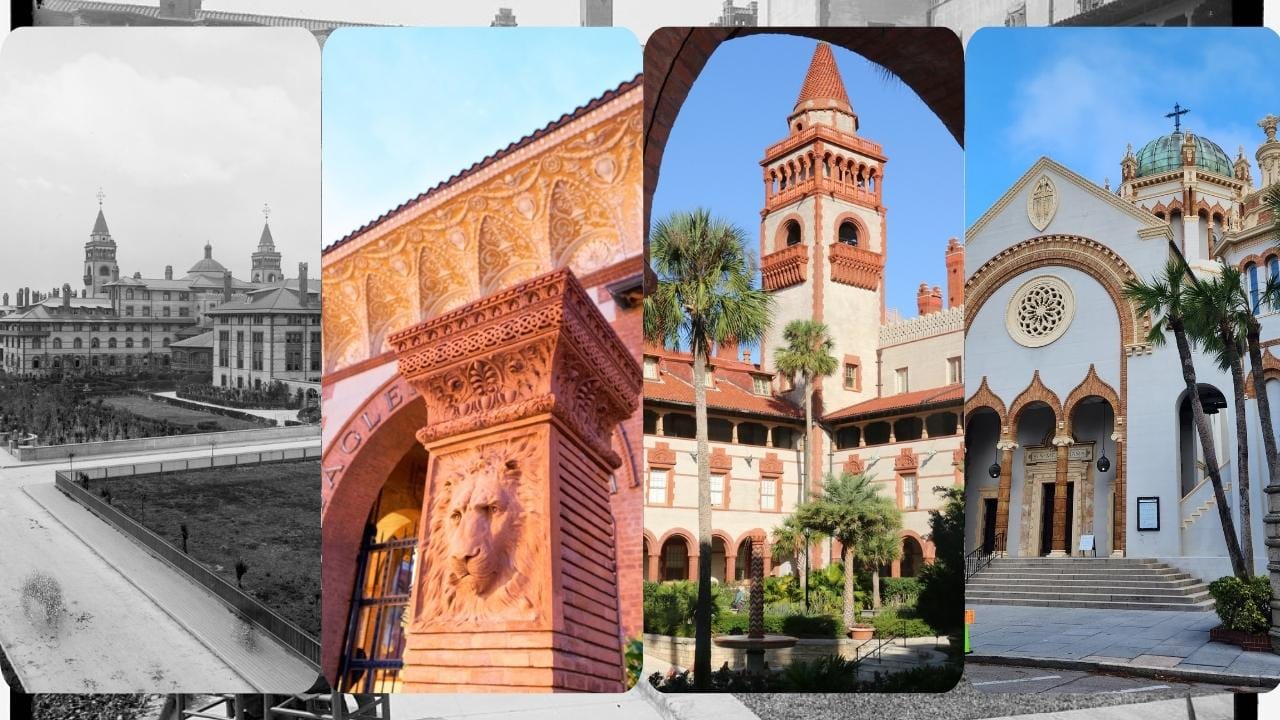
Stand at the corner of St. George and Hypolita Streets, and you’re witnessing four centuries of architectural evolution. Spanish colonial coquina walls meet British modifications, while Victorian additions rise above Flagler-era storefronts. The St. Augustine colonial architecture in this article tells a story of adaptation, innovation, and survival in America’s oldest city.
Colonial Engineering: Building for Survival
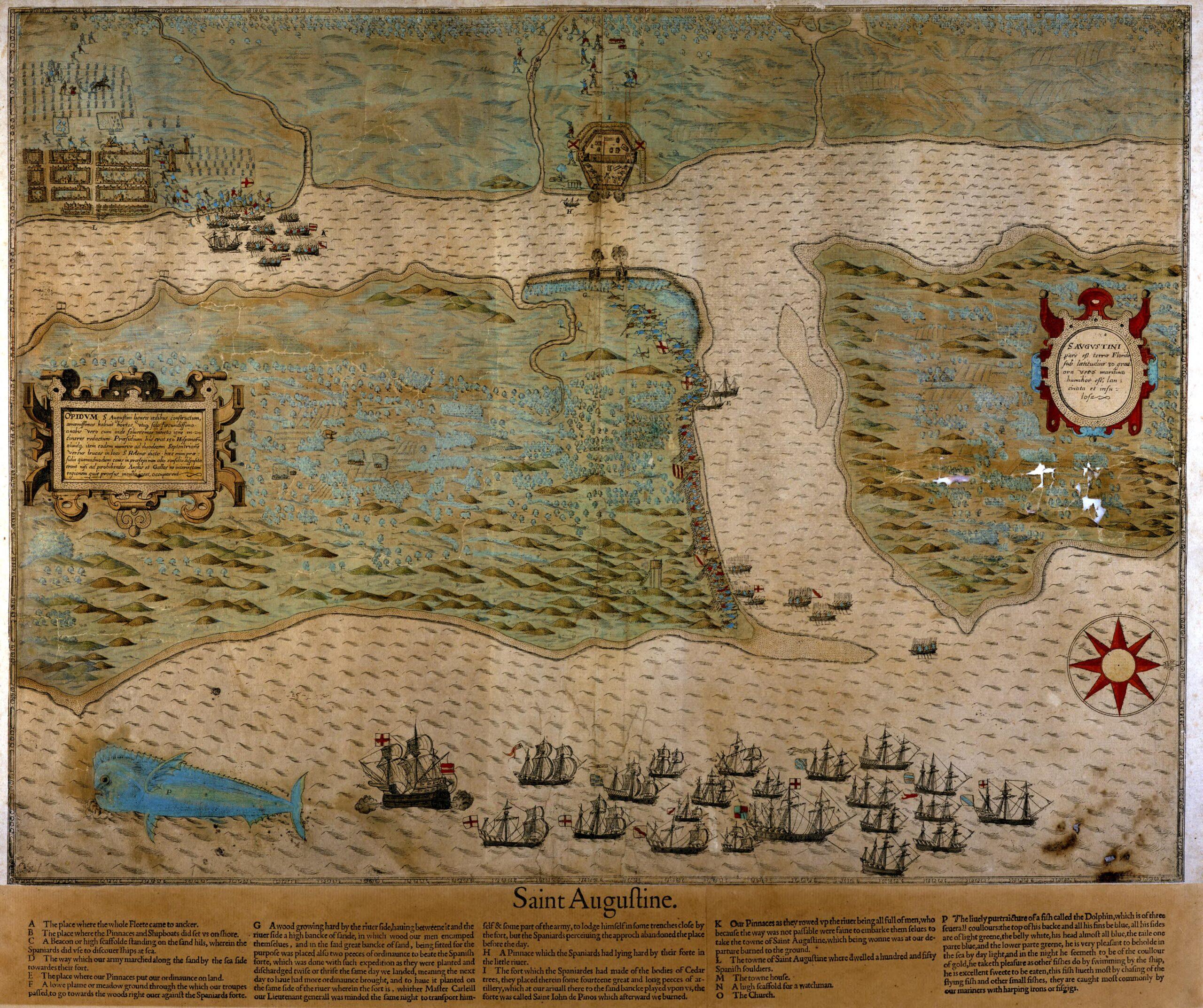
When Spanish colonists first arrived in 1565, they faced an environment unlike anything in Europe. Traditional building methods failed in Florida’s harsh climate. Wood rotted in the humidity, stone was scarce, and storms threatened destruction. Through trial and error, colonial builders developed solutions that would define St. Augustine’s architectural character.
The discovery of coquina stone on Anastasia Island revolutionized colonial construction. This sedimentary rock, formed from compressed shells, proved ideal for Florida’s conditions. Though soft enough to cut with saws when first quarried, it hardened with exposure to air. More importantly, its porous nature allowed buildings to “breathe,” managing Florida’s humidity naturally while providing surprising structural strength.
Streets and Spaces: The Colonial Grid
St. Augustine’s street pattern reveals its Spanish colonial origins. Following the Laws of the Indies – Spain’s detailed guidelines for colonial city planning – streets were laid out to capture cooling breezes while providing defense against potential attackers. The slight bend in St. George Street, often attributed to poor surveying, was actually an intentional design feature that blocked enemy lines of sight while channeling sea breezes through the city.
Hidden Stories in Stone and Wood
Aviles Street, the oldest platted street in America, demonstrates how colonial builders adapted European urban design to Florida’s climate. The street’s narrow width, seemingly inconvenient today, was carefully calculated to provide shade throughout most of the day. Recent architectural studies have revealed how buildings along Aviles Street used sophisticated passive cooling techniques. Deep overhangs protected walls from sun and rain, while strategically placed windows created natural ventilation patterns that still function today.
The Oldest House: A Living Timeline
The González-Alvarez House, known as the Oldest House, serves as a physical timeline of St. Augustine’s architectural evolution. Archaeological investigation has revealed nine distinct construction phases, each telling a story of adaptation and improvement. The original wooden structure from the early 1600s was gradually replaced with coquina walls. British occupants added a second story and wooden additions, while Spanish returning in 1783 modified the building again to suit their needs.
The house’s wall construction reveals sophisticated environmental engineering that predated modern climate control by centuries. Core samples show how builders created walls with varying densities of coquina – denser on the outside to resist weather, more porous inside to regulate humidity. Even the mortar composition changed through the building’s history, as successive generations of craftsmen developed better formulas for Florida’s climate.
Engineering for Survival: The Ximenez-Fatio House
The Ximenez-Fatio House demonstrates how colonial builders solved multiple challenges simultaneously. Its coquina walls, two feet thick at the base, provided both structural support and thermal mass, moderating temperature extremes. The building’s L-shaped design created a protected courtyard that funneled breezes through the structure while sheltering it from storms. Archaeological evidence shows how builders gradually raised and reinforced the foundation to combat flooding – a problem that still challenges St. Augustine today.
Adapting Through Time: British and Spanish Solutions
The British Period (1763-1783) introduced new architectural elements that changed St. Augustine’s skyline. British occupants added second stories to existing Spanish structures, often using wooden construction above the original coquina walls. This created the distinctive “upstairs-downstairs” pattern visible in many surviving colonial buildings. Archaeological evidence shows how British builders developed special joining techniques to attach wooden structures to existing coquina walls, solving a unique engineering challenge.
The Second Spanish Period (1783-1821) brought further innovations. Returning Spanish residents found British modifications surprisingly practical and chose to retain many while adding their own improvements. The Alvarez House demonstrates this cultural blending perfectly – its British second story remains, but Spanish builders added elaborate wooden balconies and modified window placements to better catch prevailing breezes.
Hidden Engineering: The Secret of the Tabby
Between the coquina walls and wooden additions lies another architectural innovation: tabby construction. This material, made from oyster shells, lime, and sand, represented one of colonial America’s first truly local building materials. Recent analysis of surviving tabby walls reveals sophisticated engineering knowledge. Builders varied the shell size and lime content to create different grades of tabby – structural walls used larger shells and more lime, while interior walls used finer material.
The Water Management Challenge
Perhaps the most impressive engineering features of colonial St. Augustine buildings lie underground. Archaeological excavations have revealed complex drainage systems that protected buildings from both routine flooding and storm surges. The Ximenez-Fatio House preserved evidence of an ingenious colonial French drain system – layers of shell and sand that filtered and channeled water away from foundations.
Preservation Challenges: Saving the Past
Modern preservation efforts have revealed construction secrets that helped these buildings survive centuries of storms and siege. The National Park Service’s recent analysis of coquina walls at the Castillo de San Marcos has helped conservators understand how to maintain similar structures throughout the city. Using ground-penetrating radar and core samples, they discovered that colonial builders created walls with varying densities – a technique now being adapted for modern coastal construction.
Learning from the Past
The Oldest House’s preservation offers particularly valuable lessons. When conservators removed later additions to study original construction techniques, they discovered sophisticated ventilation systems hidden within the walls. Small channels, previously thought to be structural flaws, proved to be intentionally designed air passages that created natural convection currents through the building. Similar systems have been found in other colonial structures, suggesting this was a standard but previously unknown construction technique.
Modern Discoveries in Ancient Walls
Archaeological work during recent utility upgrades along St. George Street has revealed how colonial builders prepared building sites. Rather than simply constructing on existing ground, they created engineered foundations using layers of compacted shell and sand. This technique, similar to modern soil stabilization methods, helped buildings survive in St. Augustine’s challenging environment.
Living Architecture
Today’s preservation efforts focus on maintaining not just the buildings’ appearance but their original environmental engineering. The colonial solutions for managing heat, humidity, and flooding remain remarkably effective. The Ximenez-Fatio House’s original ventilation system still moderates temperature and humidity, often performing better than modern air conditioning in maintaining stable conditions for artifacts.
Archaeological work during recent utility upgrades along St. George Street has revealed layers of St. Augustine’s architectural evolution. Beneath modern pavement, workers discovered successive street surfaces dating back to colonial times. Each layer tells a story of adaptation: shell-packed Spanish colonial roads, British brick pavements, and early American cobblestones. More importantly, these excavations exposed the sophisticated foundation systems that helped colonial buildings survive centuries of floods and storms.
Colonial builders created engineered foundations using precisely layered materials. The bottom layer typically consisted of compacted oyster shell, providing drainage. Above this, they placed a mixture of sand and shell that acted as a stabilizing layer. The final foundation layer used crushed coquina, creating a solid base for stone walls. This three-layer system, remarkably similar to modern engineering practices, helped buildings remain stable in St. Augustine’s sandy soil.
The Science of Survival
Recent scientific analysis has revealed why these colonial buildings have endured. The coquina walls, far from being simple stone barriers, function as complex environmental management systems. Their porosity – about 40% void space – allows them to absorb and release moisture, naturally regulating humidity. This same property helps them flex slightly during earth movements, preventing the cracking that plagues more rigid structures.
The colonial builders’ understanding of material properties proved remarkably sophisticated. They discovered that mixing different shells into their tabby and concrete created varying properties. Larger shells provided structural strength, while smaller shell fragments improved water resistance. Modern analysis shows their material formulas often match contemporary engineering standards for optimal concrete mixing.
Hidden Systems and Lost Technologies
As preservation work continues, conservators keep discovering lost colonial technologies. Recent investigations at the de Mesa-Sánchez house revealed an intricate water management system hidden within its walls. Small channels carved into the coquina collected condensation and directed it away from living spaces – an early form of dehumidification. Similar systems have been found in other colonial buildings, suggesting this was a standard but previously undocumented construction technique.
Architectural Harmony Through Time
The city’s surviving colonial buildings demonstrate remarkable architectural harmony despite centuries of modification. British additions to Spanish structures respected original construction techniques while adding their own innovations. The Second Spanish Period saw further adaptations that blended multiple building traditions. This architectural evolution created the unique style that defines St. Augustine today.
Preservation Techniques: Old Methods, New Technology
Modern preservationists use cutting-edge technology to understand and maintain colonial buildings. Infrared thermography reveals hidden air circulation patterns within ancient walls. Laser scanning creates precise three-dimensional models of structures, helping conservators track subtle changes over time. Ground-penetrating radar identifies buried foundations and hidden architectural features without disturbing historic fabric.
Yet the most effective preservation techniques often involve traditional methods. Conservators have discovered that colonial lime-based mortars perform better than modern Portland cement for repairing coquina walls. Traditional shellac-based sealers protect wood better than synthetic products in Florida’s climate. Even colonial paint formulas, analyzed through microscopic study, prove more durable than many modern coatings.
Learning from Colonial Wisdom
The environmental efficiency of colonial buildings offers lessons for modern architecture. Their passive cooling systems – thick walls, strategic window placement, and natural ventilation – often maintain more comfortable conditions than mechanical systems. Studies of the Pena-Peck House show its colonial design maintains stable interior temperatures with minimal energy use, even during Florida’s hottest months.
Today’s architects and engineers increasingly study St. Augustine’s colonial buildings for insights into sustainable design. The materials and methods that helped these structures survive four centuries offer solutions for modern coastal construction challenges. From foundation systems to water management, colonial innovations continue inspiring new approaches to resilient architecture.
A Living Architectural Legacy
Walking St. Augustine’s historic streets today, every building tells a story of adaptation and survival. From Spanish coquina walls to British wooden additions, from colonial courtyard gardens to Victorian modifications, the city’s architecture demonstrates how successive generations solved environmental challenges while preserving their cultural heritage.
These ancient buildings do more than connect us to the past – they offer solutions for the future. As coastal cities face rising seas and changing climate, St. Augustine’s colonial architecture provides tested strategies for resilient construction. The wisdom embedded in these historic structures, refined over centuries of storms and change, remains as relevant today as when the first coquina blocks were laid.
Would you like to learn more about how St. Augustine’s unique heritage shapes modern preservation and development? Explore our articles about the Spanish Colonial Period, the Flagler Revolution, and the ongoing efforts to protect America’s oldest city. For an even deeper understanding of St. Augustine’s architectural evolution, download our comprehensive guide, “St. Augustine: A Living History.”
Author’s Note:
Hey there, history enthusiasts! While we strive for historical accuracy in telling St. Augustine’s fascinating story, sometimes our excitement for the ancient city’s architectural marvels gets the better of us. Think of these articles as sitting down with a really enthusiastic tour guide who’s done their homework but might occasionally get carried away with the storytelling. Most of what you’ll read here is backed by historical documentation, but we’re not above admitting that sometimes we’re sharing our best understanding of how things might have worked, based on available evidence and local knowledge.
If you’re doing academic research, definitely double-check our claims (and let us know if you find any corrections!). If you’re here to explore and appreciate St. Augustine’s amazing history, sit back and enjoy the stories of America’s oldest city. After all, even the most serious historians sometimes debate the exact details of events that happened centuries ago.